
GIE represents the infrastructure that supports this transformation. It helps ensure reliable energy supply today while enabling the integration of renewable and low-carbon gases as well as carbon management solutions for tomorrow.
Across Europe, energy infrastructure is already evolving to meet the changing system needs and support the transition to a more sustainable and resilient energy future.
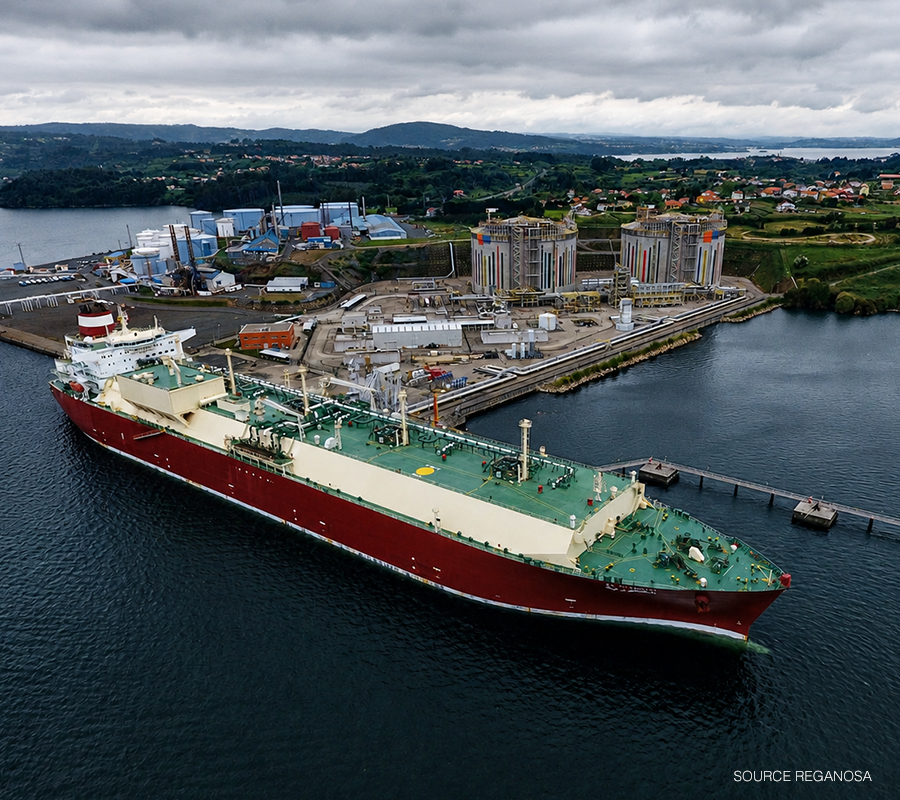
Energy systems must continue to deliver security of supply while progressively reducing emissions. This requires solutions that build on existing assets, maintain system reliability and support the gradual transformation of the energy landscape.
Infrastructure plays a central role in this process by connecting supply and demand, supporting flexibility and enabling the deployment of new energy solutions across Europe.
GIE members operate:
 Transmission networks connecting countries and regions.
 Underground storage facilities that provide
seasonal flexibility and resilience.
Underground storage facilities that provide
seasonal flexibility and resilience.
 LNG terminals that support diversification and
security of supply.
LNG terminals that support diversification and
security of supply.
These assets ensure that energy can be transported, stored and delivered reliably across Europe, including during periods of high demand, market volatility or supply disruption.
They also provide the foundation on which future energy solutions can be developed.
These developments demonstrate that the transition is not theoretical; it is already underway across Europe’s energy infrastructure system:
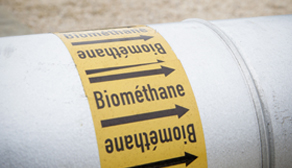
Biomethane is being integrated into existing gas grids, helping reduce emissions while using established networks.
Infrastructure is being assessed and adapted for hydrogen transport and storage, including through the repurposing of pipelines.
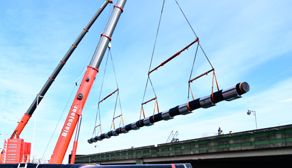
CO2 transport and storage projects are advancing to support carbon capture, utilisation, and storage (CCUS).
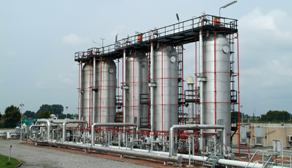
Storage facilities deliver flexibility to maintain system stability as the share of variable renewable energy increases.
It involves maintaining reliable energy supply while progressively integrating renewable and low-carbon solutions, adapting infrastructure and scaling new technologies.
This makes gaseous infrastructure a bridge between today’s energy system and a climate-neutral future.
By building on existing gaseous networks and assets, Europe can support decarbonisation in a practical, efficient and cost-effective way.
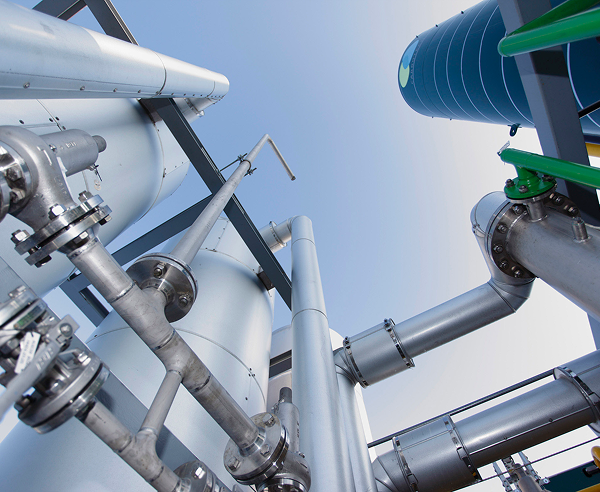
GIE members are working to:
Enable cross-border transport and storage of hydrogen
Enable a cost-effective integration of the energy system
Support the development of CO2 transport and storage solutions for CCUS
Ensure flexibility and resilience remain central to a decarbonised energy system
This work contributes to both decarbonisation and long-term energy security, helping ensure that the transition to net-zero remains both achievable and resilient.
Images courtesy of Elengy, Gasunie, EWE, AZOLA and Fluxys